


Long-Term Value: How to Make Your CarHop Vehicle Last on Denver’s Busy Roads
Protecting Long-Term Vehicle Value
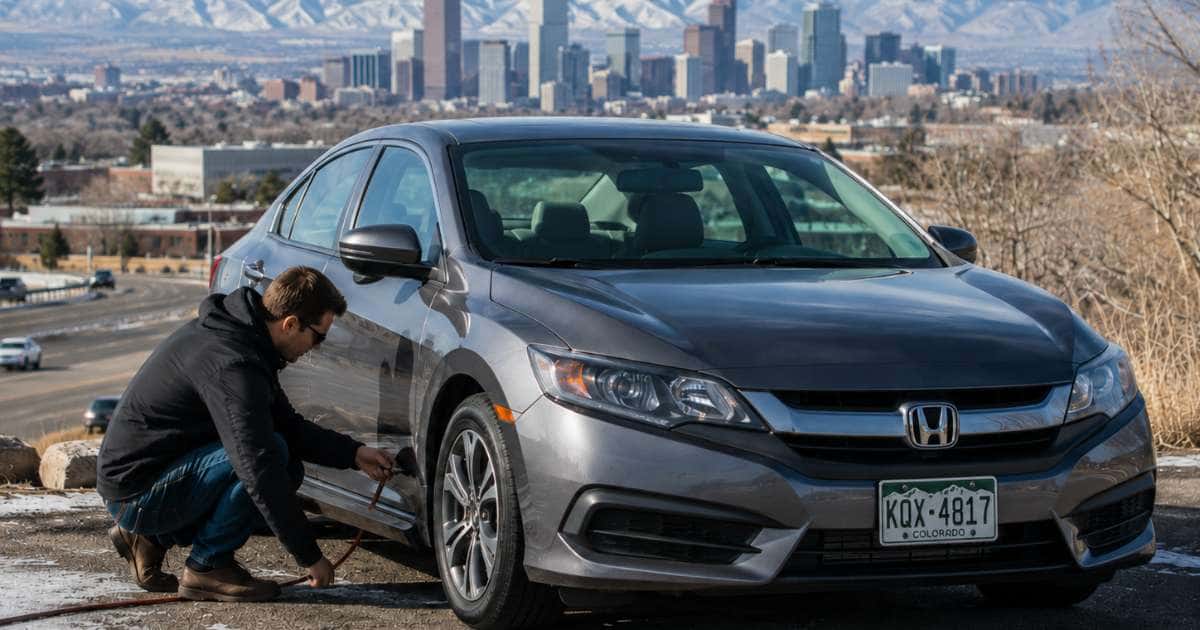
Denver driving places unique demands on tires, brakes, fluids, suspension, and other essential systems.
Consistent maintenance and smarter driving habits can help you catch small problems before they turn into expensive repairs.
Why Denver’s Roads Put Extra Stress on Used Vehicles
Denver isn’t your average driving environment. High elevation, brutal seasonal temperature swings, and growing urban traffic all stack up in ways that drivers in flatter, more temperate cities simply never deal with.
High Altitude, Freeze-Thaw Cycles, and Heavy Traffic
At 5,280 feet above sea level, Denver’s altitude affects how your engine breathes, how fluids behave, and how your battery holds up. Thinner air means your engine works harder to generate power, especially during longer drives or highway merges. Then add Colorado’s freeze-thaw cycles, where temperatures drop sharply overnight and climb again by afternoon, and you’ve got conditions that crack pavement and stress rubber seals. Nearly every system on your car feels it over time.
Heavy commuter traffic on I-25 and I-70 makes things worse. Stop-and-go driving is harder on brakes, transmissions, and cooling systems than steady highway cruising. Knowing this upfront shapes smarter maintenance decisions for anyone keeping a used car in Denver long-term.
Tip 1: Stay on Top of Tire Care and Suspension Health
Your tires and suspension sit between your car and the road at all times. In Denver, that road can shift fast. Smooth pavement suddenly gives way to frost heaves or gravel-covered surfaces, and construction zones appear with little warning.
Potholes, Elevation Changes, and Icy Roads
Potholes are a seasonal fact of life in Denver, especially after winter. According to CDOT, freeze-thaw cycles weaken pavement, and hitting a pothole at speed can seriously damage your tires, wheels, and suspension. When a pothole is unavoidable, reduce your speed rather than swerving or braking sharply. Inspect your tires regularly for sidewall bulges, uneven wear, and pressure drops. Cold air causes pressure to fall, and in a Colorado winter, temperatures can swing significantly between morning and afternoon. Check your pressure monthly and keep a gauge in the glove compartment.
If you hit a hard pothole, strike a curb, or notice pulling to one side or shaking at highway speed, have your suspension inspected before the problem compounds. Winter ice and hidden puddles can mask road damage until it becomes expensive.
Tip 2: Keep Up With Brake Maintenance in Stop-and-Go Conditions
Denver’s traffic patterns are hard on brakes. If your daily commute involves lots of city driving or frequent deceleration on mountain roads, your brake pads wear down faster than the manufacturer’s general timeline suggests. Watch for longer stopping distances, squealing, grinding, or a soft pedal and schedule an inspection before those signs get worse.
A mechanic familiar with local driving conditions will typically suggest inspecting brake pads every 10,000 to 15,000 miles for most drivers, and at every oil change for those doing primarily city driving. On mountain roads, engine braking is the practice of downshifting to slow your car instead of riding the brakes. This technique reduces heat buildup and extends the life of your pads and rotors. Building this habit early keeps your brake system in good shape and avoids the expensive repairs that come from ignoring small warning signs.
Tip 3: Prioritize Fluid Checks Before and During Denver Winters
Cold climates change how fluids perform, and staying on top of them before the first hard freeze takes less than 30 minutes. That small time investment can prevent serious mechanical failures later.
Coolant, Brake Fluid, and Transmission Fluid in Cold Climates
Coolant keeps your engine from freezing in winter and overheating in summer. Make sure the mix in your car is rated for Colorado’s winter lows. Brake fluid absorbs moisture over time, which lowers its boiling point and affects pedal feel and braking response in tough conditions. Flushing it every two to three years is a straightforward precaution. Check coolant, brake fluid, transmission fluid, and engine oil before winter arrives and again during the season if you’re driving daily.
Transmission fluid often gets overlooked. Cold temperatures make it thicker and less effective at lubricating components, especially in the first few minutes after startup. Cold-start shifting issues are a clear signal to have it checked. If your fluid looks dark or smells burnt, don’t wait. Staying ahead of fluid maintenance is one of the most cost-effective habits for used car maintenance in Denver.
Maintenance Resources
Need Help Finding a Denver-Area Service Shop?
Review CarHop’s Denver, Aurora, and Lakewood service-shop resources or learn more about proper vehicle care and available limited-warranty information.
Tip 4: Replace Your Engine Air Filter More Often at High Altitude
At Denver’s elevation, your engine already works harder to pull in enough air for combustion. A dirty or clogged air filter compounds that problem because the engine has less oxygen to work with than it would at lower elevations. You’ll typically notice reduced fuel efficiency and rougher acceleration before anything else.
Most manufacturers suggest replacing the air filter every 15,000 to 30,000 miles, but those guidelines are based on sea-level conditions. For Denver driving, especially during dusty summers or after time on unpaved mountain roads, checking the filter at least once a year makes sense. A clean air filter is inexpensive, easy to swap, and makes a noticeable difference in smooth acceleration and consistent cold starts.
Tip 5: Guard Against Road Salt and Undercarriage Corrosion
Colorado road crews use salt and de-icing compounds heavily all winter. While that keeps roads drivable, those chemicals accelerate rust on your car’s undercarriage, including brake lines, exhaust components, suspension hardware, and wheel wells. For a used car with some age on it, this isn’t a minor concern.
Regular washing is your best defense, specifically the undercarriage. Many Denver car washes include an undercarriage rinse. Using it after snowstorms or icy conditions removes salt before it does lasting damage. Applying an undercarriage sealant or rust inhibitor each fall adds another layer of protection heading into winter. If you’re planning to keep your car for several years, salt exposure should be a regular part of your maintenance thinking.
Tip 6: Build Smart Driving Habits for City and Mountain Conditions
How you drive matters just as much as what you do in the service bay. Hard launches, aggressive lane changes, and repeated heavy braking put unnecessary wear on your drivetrain. On steep grades, riding the brakes or dragging the clutch adds up fast.
In city driving, leaving more space ahead gives you room to coast before braking, which reduces wear and helps fuel economy. On mountain roads heading toward Evergreen or Boulder, downshifting on steep descents keeps your brakes from overheating. Slowing down on rough pavement, ice, or steep grades reduces stress across your entire car. On cold mornings, letting your engine warm up briefly before pushing it hard is a small habit worth keeping, especially during Colorado’s deep winter stretches.
Simple At-Home Checks Between Professional Service Visits
You don’t need to be a mechanic to catch problems early. A few quick checks go a long way.
- ✓ Look at your tires each week for low pressure or visible damage.
- ✓ Check oil level, coolant level, and windshield washer fluid monthly.
- ✓ Watch your dashboard warning lights and act on them promptly.
- ✓ Listen for brake squealing or grinding, and note any knocking during acceleration.
- ✓ Before any long mountain drive, confirm your spare tire is properly inflated and your emergency kit includes an ice scraper and jumper cables.
Pulling to one side, shaking at highway speed, or new noises after a pothole hit all signal the need for a professional inspection. These habits close the gap between service visits and give you real confidence that your car is ready for whatever Denver puts in front of you.
If you’re still shopping and want guidance on what to look for in a used car suited for Denver roads, reach out to our team and we’re happy to help.
Denver Used Car Maintenance Priorities at a Glance
| Vehicle Area | Denver-Related Stress | What to Watch For |
|---|---|---|
| Tires and suspension | Potholes, frost heaves, ice, and pressure changes | Bulges, uneven wear, pulling, vibration, and pressure loss |
| Brakes | Stop-and-go traffic and mountain descents | Squealing, grinding, soft pedal, and longer stopping distances |
| Fluids | Cold starts and large seasonal temperature swings | Low levels, dark fluid, burnt smell, and cold-shifting issues |
| Air filter | High altitude, dust, and unpaved mountain roads | Reduced fuel efficiency and rough acceleration |
| Undercarriage | Road salt and winter de-icing compounds | Rust around brake lines, exhaust parts, wheel wells, and suspension hardware |
Explore Vehicles for Denver-Area Driving
Compare current used vehicles available across CarHop’s Aurora and Denver Lakewood inventory.
Find a Reliable Used Vehicle Built to Handle Denver Roads
Taking good care of your car starts with choosing the right one. At CarHop of Denver, we stock quality used cars ready for real-world driving in Colorado. Many of the vehicles on our lot come with available maintenance histories, so you have a clear picture of what’s been serviced and what to watch for next.
If you’ve had credit challenges in the past, our in-house financing and Buy Here Pay Here model make it genuinely possible to get behind the wheel without going through a traditional bank. You can start your approval online in minutes, with no obligation. Whether you visit our Lakewood location at 5301 W Colfax Ave or our Aurora location at 658 S Havana St, our team is ready to walk you through your options.
Used car maintenance in Denver is manageable when you know what to prioritize. A well-maintained car, driven with real awareness of what Denver demands, will serve you far longer and far cheaper than most people expect. Shop our used car inventory today, or contact our team at 800-600-7013 to get started.
Related Denver Driving and Vehicle Resources
Visit CarHop of Denver
Explore current used vehicles, start the approval process online, or contact the CarHop team for help comparing options for your everyday Denver-area driving needs.
CarHop of Denver Lakewood
5301 W Colfax Ave
Lakewood, CO 80214
Monday-Friday: 10 AM-6 PM
Saturday: 10 AM-5 PM
Sunday: Closed
CarHop of Aurora
658 S Havana St
Aurora, CO 80012
Monday-Friday: 10 AM-6 PM
Saturday: 10 AM-5 PM
Sunday: Closed
Frequently Asked Questions About Used Car Maintenance in Denver
How often should Denver drivers check their tire pressure?
Check tire pressure at least monthly and visually inspect your tires each week for low pressure, sidewall damage, bulges, or uneven wear. Denver’s temperature swings can cause tire pressure to change between mornings and afternoons.
What brake warning signs should I watch for in Denver traffic?
Watch for longer stopping distances, squealing, grinding, a soft brake pedal, or reduced braking response. Stop-and-go traffic and frequent mountain descents can cause brake components to wear more quickly.
Which vehicle fluids should be checked before a Denver winter?
Check your coolant, brake fluid, transmission fluid, and engine oil before winter arrives. Drivers who use their vehicles daily should continue monitoring fluid levels and condition throughout the cold season.
Why might a vehicle need more frequent air-filter checks in Denver?
Denver’s high altitude, dusty summers, and nearby unpaved mountain roads can place additional demand on an engine’s air intake. Checking the filter at least once a year can help identify clogging before it affects acceleration or fuel efficiency.
How can I protect my car’s undercarriage from winter road salt?
Use an undercarriage rinse after snowstorms or icy driving conditions to remove salt and de-icing compounds. Applying an undercarriage sealant or rust inhibitor in the fall may provide an additional layer of protection.
What maintenance checks can I perform at home?
You can inspect your tires, check oil, coolant, and washer-fluid levels, monitor warning lights, listen for unusual noises, and make sure your spare tire and emergency kit are ready before longer mountain drives.
Looking for a used vehicle for Denver-area driving?
Explore current inventory or begin the CarHop of Denver approval process online.
Maintenance disclaimer: Vehicle maintenance needs vary by make, model, mileage, condition, usage, and manufacturer guidance. This article provides general information only. Consult your owner’s manual and a qualified automotive professional when diagnosing a problem or setting a maintenance schedule.
Financing disclaimer: Financing approval, rates, and terms are subject to application review and individual eligibility and are not guaranteed.
0 comment(s) so far on Long-Term Value: How to Make Your CarHop Vehicle Last on Denver’s Busy Roads