


Summer Road Trip Ready: Essential Car Checks for Driving from Aurora to the Rockies
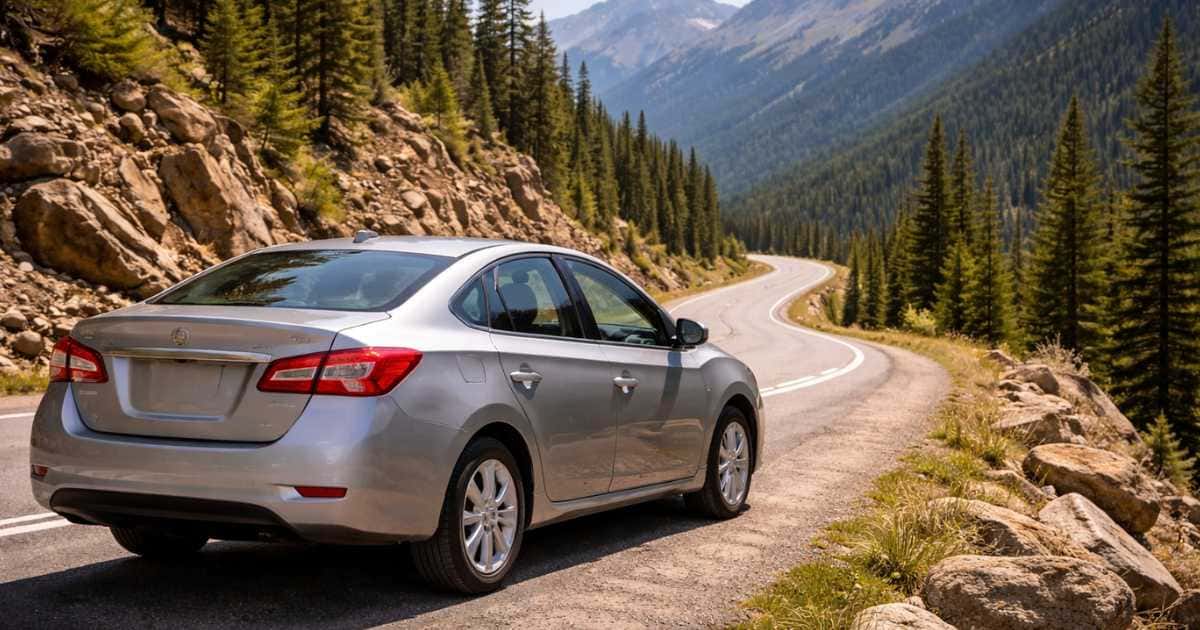
Driving from Aurora into the Rockies puts very different demands on your vehicle than everyday city driving. If you are thinking about summer car maintenance Denver CO drivers should handle before a mountain trip, the goal is to prepare for steep climbs, hot pavement, thinner air, and long descents that can stress your cooling system, brakes, tires, and fluids all at once. A little preparation before you head west can make the difference between a smooth road trip and a preventable roadside problem.
Why Mountain Driving from Aurora Requires Extra Preparation
Heat and Altitude Create a Tough Combination
Driving toward the Rockies means your vehicle may face major elevation gains while also dealing with high summer temperatures. That combination matters because high altitude reduces air density, which can make it harder for your engine to cool efficiently just when climbing grades demands more power. At the same time, hot pavement and long drives add even more stress to critical systems.
That is why a vehicle that feels perfectly normal around Aurora can start showing weaknesses once you are on the way to higher elevations.
Why Basic Pre-Trip Checks Matter More in Colorado
Mountain driving puts more pressure on your brakes, cooling system, and tires than a typical commute. If any of those areas are already borderline, the mountains can expose the problem quickly. Taking time to check key systems before your trip helps reduce the chance of breakdowns, overheating, or unsafe braking on descents.
Cooling System Checks: Your First Line of Defense
Inspect Hoses, Radiator, and Coolant Condition
Your cooling system is one of the most important parts of your vehicle when climbing mountain grades in summer. Before a trip, inspect radiator hoses for cracks, bulges, softness, or brittleness, and check coolant levels only when the engine is fully cool. You also want to look for any visible signs of leaks around hose connections, the radiator, or the water pump.
Even a small cooling system issue can become much more serious once the vehicle is working harder at elevation.
Watch for Warning Signs of Overheating
If your temperature gauge has been running high, if you notice a sweet coolant smell, or if the vehicle has shown any signs of overheating, those issues should be addressed before heading into the mountains. Climbing steep grades with a compromised cooling system can turn a manageable maintenance item into a major repair.
Brake System Readiness for Mountain Descents
Why Brake Condition Matters More in the Mountains
Mountain descents are hard on brakes because they force the system to work continuously for longer periods. That creates heat quickly, especially on long downhill stretches. Worn brake pads, damaged rotors, or weak braking response are much more serious concerns when your vehicle is relying on that system for sustained control.
If your brakes squeak, grind, pulse, feel soft, or pull to one side, it is worth taking care of that before any mountain drive.
Brake Fluid Condition Is Just as Important
Brake fluid can absorb moisture over time, which lowers its boiling point. On long downhill drives, excessive heat can affect old or contaminated fluid much faster. That is one reason brake fluid condition matters more than many drivers realize before a mountain road trip.
If the fluid is old, dark, or overdue for service, replacing it before heading into the mountains can be a smart preventive step.
Tire Inspection and Pressure Management
Tread Depth and Tire Condition
Your tires are your vehicle’s only contact with the road, and mountain driving asks a lot from them. Strong tread depth helps with grip on curves, hot pavement, and sudden summer rain. Before your trip, inspect the tires for sidewall cracks, bulges, uneven wear, or embedded debris, and make sure tread depth is still strong enough for safe travel.
Worn or damaged tires may seem manageable in normal city use but can become a bigger risk once the road conditions and elevation change.
How Elevation Affects Tire Pressure
As you gain elevation, your tire pressure gauge may read higher because atmospheric pressure changes, even if the actual air volume in the tire has not. That is why the best approach is to check and set tire pressure when the tires are cold at Aurora’s elevation before you leave, using the pressure listed on the driver’s door sticker.
If you see higher gauge readings later in the mountains, that is usually expected. What matters more is watching for pressure that drops unexpectedly, which could point to a slow leak or other tire issue.
Essential Fluid and Battery Checks
Fluids to Review Before a Mountain Trip
Before heading west, it is smart to verify that all major fluids are at proper levels and still in good condition. That includes engine oil, transmission fluid, power steering fluid, brake fluid, and windshield washer fluid. Mountain driving creates more stress, more dust, and more demand on your vehicle, so even basic fluid checks can help prevent common trip problems.
If any fluid looks dirty, smells burnt, or appears overdue for service, it is worth addressing before the drive.
Battery Condition Still Matters in Summer
Battery issues are not just a winter concern. Corroded terminals, loose connections, or an aging battery can still create trouble during summer travel. Before a longer trip, check for terminal corrosion and make sure the battery is secure. If the battery is older or has been acting weak, testing it before your trip is a smart move.
Build a Basic Mountain Emergency Kit
What to Pack Before Heading West
Even a well-maintained vehicle can run into unexpected problems, especially when you are traveling through mountain areas where services may be farther apart. A basic emergency kit should include jumper cables or a jump starter, a flashlight, water, first-aid supplies, and the tools you would need for a flat tire or minor roadside issue.
Carrying extra washer fluid, engine oil, coolant, and a few visibility items can also make it easier to handle smaller problems before they become bigger ones.
Why Preparation Makes the Trip Safer
An emergency kit is not just about fixing problems yourself. It also makes it easier for roadside assistance or a good Samaritan to help if something does happen. In Colorado mountain driving, being prepared is part of driving responsibly.
DIY Checks vs. Professional Pre-Trip Service
What You Can Check Yourself
Many important pre-trip checks are simple enough to handle on your own. Fluid levels, tire pressure, tread depth, visible hose wear, battery corrosion, and general visual inspection can all be done without much time or equipment. These basics are often enough to catch warning signs early.
When Professional Service Makes Sense
Some systems are harder to evaluate without the right tools or access. Brake pad measurements, brake fluid testing, and cooling system pressure testing are good examples. If your vehicle has not been looked at recently or if you notice anything questionable during your own checks, a professional pre-trip inspection is often worth it before a mountain drive.
Get Road-Trip Ready at CarHop of Denver
Support for Reliable Summer Driving
At CarHop of Denver, we know that reliable transportation matters when Colorado summer trips take you from Aurora into the mountains. If you are concerned about whether your current vehicle is ready for those demands, taking time for a proper inspection is one of the best ways to protect both your trip and your vehicle.
Explore Reliable Options
If your current vehicle no longer feels like the right fit for mountain travel, you can browse our available inventory and explore flexible financing options that may help you move into something more dependable for summer driving. Preparation matters, but so does having a vehicle you can trust when the road starts climbing.
Frequently Asked Questions
What summer car checks should I do before driving from Aurora to the Rockies?
Key checks include the cooling system, brakes, tire tread and pressure, major fluid levels, and battery condition. These systems are especially important because mountain driving combines heat, elevation, and sustained climbs and descents.
Why is the cooling system so important for Colorado mountain driving?
High elevation reduces air density, which can make it harder for the radiator to remove heat efficiently. At the same time, steep climbs make the engine work harder, so a strong cooling system is essential for avoiding overheating.
Do I need to worry more about my brakes in the mountains?
Yes. Long downhill grades place much more sustained demand on your brakes than normal city driving. Worn pads, damaged rotors, or old brake fluid can become much more serious safety issues during mountain descents.
Should I change my tire pressure once I reach higher elevation?
Usually no. It is best to set tire pressure when the tires are cold at your starting elevation using the vehicle’s recommended pressure. Gauge readings may rise at altitude, but that is typically expected and not a reason to release air.
What should I pack in a mountain road trip emergency kit?
A basic kit should include jumper cables or a jump starter, a flashlight, water, a first-aid kit, tire-change tools, and a few extra fluids like washer fluid or coolant. These items can make a roadside issue much easier to manage.
0 comment(s) so far on Summer Road Trip Ready: Essential Car Checks for Driving from Aurora to the Rockies