


Understanding Buy Here Pay Here vs. Traditional Used Car Financing: A Complete Guide
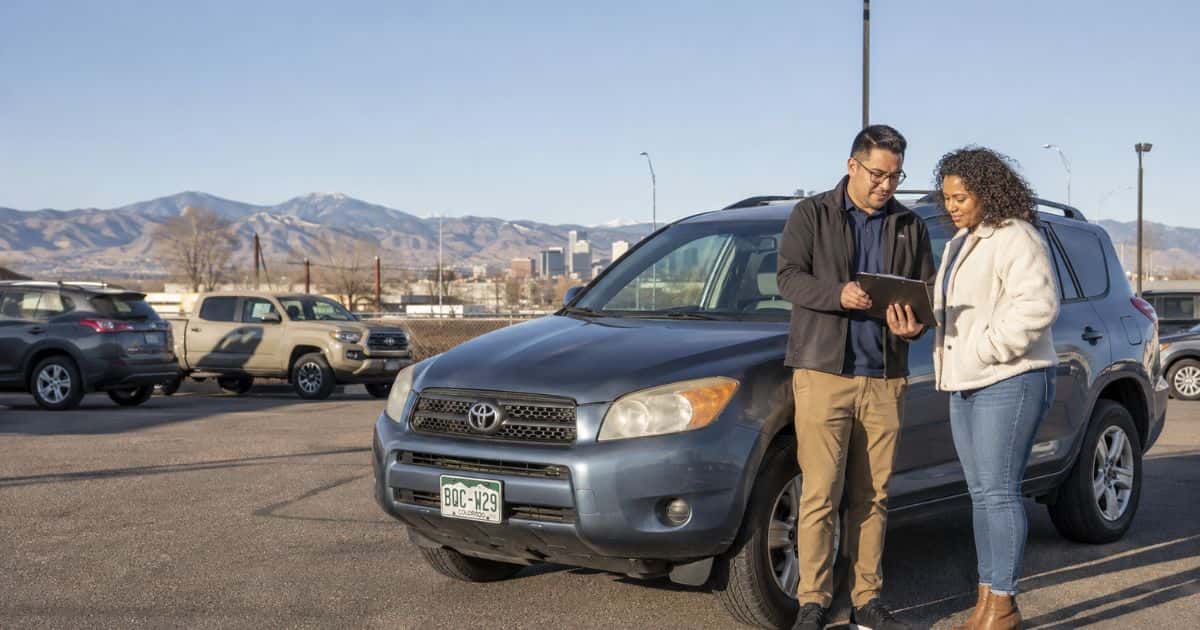
What Buy Here Pay Here Means at Denver Dealerships
A Buy Here Pay Here dealership handles everything under one roof. The same lot sells the car, approves the financing, and collects the payments, all in the same building. There’s no waiting on a bank’s decision or worrying about a loan officer elsewhere denying your application. For many Denver residents, this in-house structure is what makes vehicle ownership possible in the first place, especially when past credit setbacks have closed other doors.
How In-House Financing Works
With in-house financing, the dealership reviews your income and ability to make consistent payments rather than leaning heavily on a credit score. That doesn’t mean there’s no verification process; most BHPH dealers still ask for proof of income and residency. What changes is the weight given to a low credit score versus your current capacity to pay.
Who Typically Chooses BHPH in Denver
It’s a common misconception that BHPH is only for people with poor credit. Anyone can use a BHPH program, though it does serve a large share of buyers rebuilding after a repossession or bankruptcy, or working with a thin credit file. First-time buyers with no credit history at all often find this route more accessible too. For commuters across Denver, Aurora, Lakewood, Centennial, Parker, and Englewood who need reliable transportation now, BHPH often solves an immediate problem.
Key Differences Between BHPH and Traditional Financing
The two paths diverge in how quickly you can drive off the lot, how much you put down, and how payments get collected.
| Category | Buy Here Pay Here | Traditional Financing |
|---|---|---|
| Credit Check Requirements | Minimal; focus on income and ability to pay | Extensive credit history review |
| Approval Speed | Often same-day | Can take days depending on the lender |
| Down Payment | Generally lower | Generally higher |
| Interest Rate | Tends to run higher | Tends to be lower for good credit |
| Credit Bureau Reporting | Varies by dealer; some report only negative activity | Standard reporting practice |
| Payment Frequency | Weekly or bi-weekly, matched to paychecks | Monthly |
Payment Structure and Total Cost
Weekly or bi-weekly payments are the norm at BHPH dealerships, timed to line up with how most people get paid. Traditional loans stick to monthly payments, which some buyers find easier to plan around, while others prefer smaller, more frequent payments matching their paycheck rhythm. Down payment requirements also tend to be lower at BHPH lots, which helps buyers who haven’t saved much.
Traditional financing usually expects a larger down payment, but it can open the door to a broader vehicle selection since approval isn’t tied to one dealer’s lot. Interest rates at BHPH dealerships tend to run higher than what a bank offers a borrower with strong credit, but traditional financing isn’t automatically cheaper for everyone. It depends on your credit profile and how quickly you need a vehicle.
Addressing Credit Challenges When Buying a Car
If you’ve been through a repossession, bankruptcy, or simply haven’t had the chance to build credit yet, options exist beyond hoping a bank changes its mind. Pulling your credit report and checking for errors is a reasonable first step, since inaccuracies can sometimes drag down a score unfairly.
It’s also worth asking any dealer directly how they evaluate applicants, since income-based approval processes exist specifically for situations like this. This is general financial guidance, not legal or financial advice, so confirm details with your lender before making decisions.
Budgeting Tips for Either Financing Path
A helpful framework here is the 20/4/10 rule: aim for a 20% down payment and a loan term of four years or less, and keep total transportation costs (payment, insurance, maintenance, and fuel combined) at or below 10% of your gross monthly income. This rule doesn’t account for your specific credit score or interest rate, but for buyers on a tight budget, the four-year term ceiling and the 10% income ceiling are the two most actionable levers to pull. Dealers have no fiduciary duty to structure a deal around your budget, so it’s on you to run these numbers before signing anything.
Take the Next Step
What to Ask Before Choosing a Dealership
Whether you’re looking at a used car dealer in Denver offering in-house financing or a lot working with outside lenders, a short list of pointed questions can save you from surprises later.
Questions About Transparency and Terms
Before signing, ask the dealer these questions:
-
What is the total payment schedule, including frequency and due dates.
-
Does this dealership report payment history to credit bureaus, and if so, what gets reported.
-
What does the repossession policy look like, including whether GPS tracking or remote shut-off technology is used.
-
Are payments made in person or by mail.
-
What does the Buyers Guide sticker on this vehicle disclose about warranty coverage.
Federal rules under the FTC Used Car Rule require dealers to post a Buyers Guide on every used vehicle, disclosing warranty terms, listing major systems, recommending an independent inspection, and warning against relying on spoken promises that aren’t in writing. The CFPB also advises asking any BHPH dealer to put their credit-reporting practices in writing, since some dealers report only negative payment activity rather than the full picture.
Signs of a Trustworthy Denver Dealership
A handful of red flags can tell you a lot before you ever sit down at the negotiating table:
-
Reluctance to provide a written payment schedule.
-
No visible Buyers Guide sticker on the vehicle.
-
Vague or evasive answers about repossession policies.
-
Pressure to sign before you’ve had time to review terms.
-
No clear answer about whether payments get reported to credit bureaus.
On the flip side, dealerships that answer questions plainly, provide vehicle history information, and stand behind their inventory with a warranty tend to be worth your time. Checking a dealership’s reviews and confirming its licensing against current Colorado regulations is also a smart move before you commit.
0 comment(s) so far on Understanding Buy Here Pay Here vs. Traditional Used Car Financing: A Complete Guide