


The Truth About Trade-Ins: Maximizing Your Value at CarHop of Denver
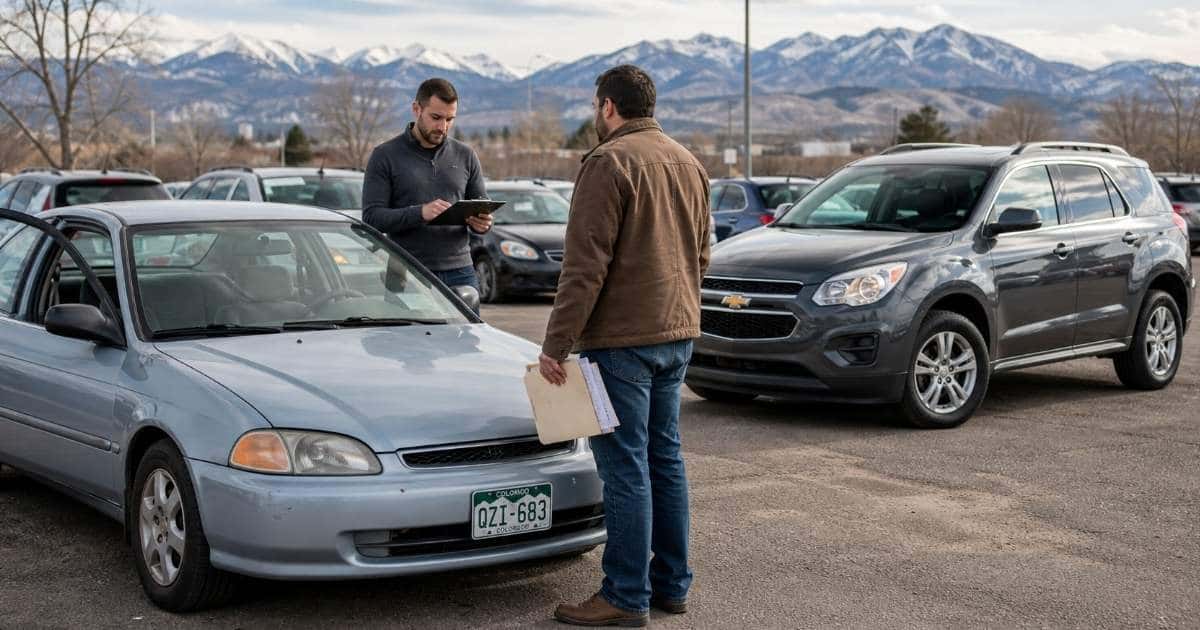
Trade-In Value Denver
A stronger trade-in starts with knowing what dealers look for.
This guide covers appraisal factors, preparation steps, payoff balance, private sale comparisons, and what to expect at CarHop of Denver.
What Trade-In Value Really Means (and What It Doesn’t)
Trade-in value is the amount CarHop of Denver credits you toward your next vehicle purchase. The distinction worth understanding is that this number will differ from what your car might fetch on the open market. CarHop factors in reconditioning costs, resale margins, and how quickly the vehicle can move on the lot. That typically means a lower number than a private sale would bring, but you gain real convenience: payment handled the same day, no calls from strangers to manage, no roadside haggling.
Trade-In Value vs. Private Sale Price: Understanding the Difference
Selling your car privately can yield more money, but it takes genuine effort. You’ll need to advertise the vehicle, arrange test drives, and handle all the paperwork yourself, plus wait to actually get paid. A dealership trade-in removes all of that friction. The offer may be lower, but the process is straightforward and you can apply the credit directly to your next purchase the same day.
| Factor | Trade-In at Dealer | Private Sale |
|---|---|---|
| Time Required | Faster, handled during purchase process | Longer, requires finding a buyer |
| Paperwork | Handled by dealership | Managed by seller |
| Risk of Deal Falling Through | Low | Higher, buyers can back out |
| Credit Toward Next Purchase | Applied directly to financing | Requires separate transaction |
| Convenience | High | Lower |
Why No Two Appraisals Are Exactly the Same
Walk into two different dealerships with the same car and you may walk out with two very different offers. Each dealership evaluates vehicles based on its own inventory needs, local market conditions, and internal pricing policies. One dealer may be overstocked with your make and model, while another is actively looking for it. Mileage, service history, cosmetic condition, and even the time of year can shift how eager a dealer is to take your vehicle in.
CarHop uses tools like Black Book and the Manheim Market Report, along with regional auction data, to appraise vehicles. These are wholesale and market-based references, not the consumer-facing estimates you’d see online. Kelley Blue Book (KBB) is a useful starting point for getting a ballpark figure, but it reflects consumer estimates rather than dealer offers. An in-person appraisal is the only way to get an actual number.
The Key Factors That Influence Your Trade-In Value in Denver
Denver’s used car market has its own rhythm, and trade-in values here respond to local conditions in ways that matter. Hail damage is a real factor in Colorado, and vehicles with hail dents typically receive lower offers because of the visible cosmetic work required. Altitude-related wear on engine components can also come up during appraisals. Seasonal demand plays a role too; SUVs and trucks tend to move faster heading into winter, which can make timing your trade-in worthwhile. Beyond regional factors, a few core elements apply everywhere.
Vehicle Condition, Mileage, and Market Demand
CarHop assesses vehicles using standard industry condition tiers: Rough, Average, Clean, and Outstanding. Most vehicles realistically fall into the Average tier, and it’s worth being honest about that rather than arriving with inflated expectations.
Before your appraisal, take a few minutes to honestly assess your vehicle:
- ✓ Check for rust on body panels and undercarriage
- ✓ Note any dashboard warning lights that are currently on
- ✓ Check tire tread depth and condition
- ✓ Review accident history, since even minor incidents affect appraisal
- ✓ Assess interior wear: seats, headliner, dashboard, and carpet
High mileage is one of the most common reasons trade-in offers come in lower than expected, since it signals more wear and a shorter remaining lifespan on key components. On the market demand side, if your vehicle type is trending locally, you benefit. Compact SUVs and fuel-efficient vehicles often attract stronger offers when inventory for those models runs low.
Your Loan Payoff Balance and Equity Position
If you still owe money on your current vehicle, that loan balance plays a direct role in your trade-in outcome. Positive equity means your car is worth more than you owe, and that difference gets applied to your next purchase, giving you real buying power toward financing your next vehicle.
Negative equity, sometimes called being “underwater” on your loan, means you owe more than the car is worth. In those cases, the remaining balance may need to be rolled into your new financing or paid separately, so it’s important to know exactly where you stand before the appraisal. Pulling your payoff amount from your lender ahead of time makes this conversation much easier.
Trade-in offers reflect wholesale and resale market conditions, not sentimental value. A car that has been in your family for years or that you’ve maintained with pride will still be evaluated on what it can realistically sell for on the lot. Being clear-eyed about this going in helps you make the best decision for your situation.
Ready to See What Your Trade-In Could Do?
Start with fast approval or browse CarHop of Denver’s current used vehicle inventory to see what your trade-in credit could go toward.
How to Prepare Your Car Before the Appraisal
Good preparation means presenting your vehicle in its best honest light. An appraiser who sees a clean, organized car with a clear service history is naturally going to view it more favorably than one that looks neglected. A little time invested before your appointment can make a meaningful difference in the offer you receive.
Clean It Up: What a Little Effort Can Do for Your Offer
Give your car a thorough cleaning before bringing it in. Specifically:
- ✓ Wash the exterior
- ✓ Vacuum the interior
- ✓ Remove all personal items from the cabin, trunk, and glove box
- ✓ Clear pet hair, trash, and clutter
Clean windows, a wiped-down dashboard, and a fresh-smelling interior signal that the car has been cared for. Appraisers pick up on that, and first impressions count even in a vehicle evaluation.
Gather Your Documents Ahead of Time
Walking in organized builds trust and speeds up the process. Before your appraisal, gather:
- ✓ Vehicle title
- ✓ Loan payoff information or lender contact details (if applicable)
- ✓ Current registration
- ✓ Service and maintenance records
- ✓ Documentation for recent repairs, replaced parts, or warranty coverage (if applicable)
Having this paperwork ready shows you’re serious and prepared. Documented care history adds credibility to the condition you’re claiming, and it gives the appraiser a clearer picture of what the vehicle has been through.
Quick Fixes Worth Making (and What to Skip)
Not every repair is worth the investment before a trade-in. These small efforts generally are:
- ✓ Top off all fluids
- ✓ Replace any burnt-out bulbs
- ✓ Check and adjust tire pressure
- ✓ Address very minor, inexpensive cosmetic issues
These are low-cost improvements that strengthen the car’s overall impression without significant outlay.
Skip the big-ticket repairs, though. If your car needs a new transmission or significant engine work, spending thousands to fix it rarely results in a proportionally higher offer. CarHop factors in repair and reconditioning costs during the appraisal, and you’re unlikely to recoup a major investment through a higher trade-in credit. Custom upgrades are in the same category; they often don’t translate to resale value even when they were expensive to install. Focus on low-cost, high-visibility improvements and leave the major mechanical decisions alone.
Setting Realistic Expectations for Your Trade-In Offer
Check your vehicle’s approximate market value using a tool like KBB beforehand so you have a ballpark reference. Online estimates are starting points only. The offer you receive will likely fall below the private sale price, and that’s standard across the industry. What matters is how the credit applies to your next purchase and whether the overall deal makes sense for your situation.
It also helps to separate the trade-in from the vehicle purchase in your mind. These are two distinct transactions happening in the same conversation, and evaluating them independently makes it easier to assess whether you’re getting fair value on each side, rather than getting caught up in a combined number that can blur the details.
When you’re ready to see what’s available, browsing CarHop’s current used vehicle inventory can give you a sense of what your trade-in credit could go toward.
How to Get a Trade-In Evaluation at CarHop of Denver
CarHop of Denver makes the trade-in evaluation process approachable, especially for buyers working through credit challenges at the same time. As a Buy Here Pay Here dealership with in-house financing, CarHop works directly with customers to find solutions that fit their real-life situations, not just their credit scores. That’s particularly relevant for buyers researching trade-in value Denver options who want an honest process without pressure.
To get started, gather your vehicle documents and spend a little time cleaning up your car as outlined above. Then visit one of the two Denver-area locations:
CarHop Lakewood is at 5301 W Colfax Ave and can be reached at (303) 202-3515. CarHop Aurora is at 658 S Havana St, reachable at (303) 341-7773.
Both locations are open Monday through Friday from 10 AM to 6 PM and Saturday from 10 AM to 5 PM. You can also call 800-600-7013 or visit the contact page to connect before your visit. The appraisal process is built around helping you make a confident, informed decision.
Frequently Asked Questions About Trade-In Value in Denver
What does trade-in value mean?
Trade-in value is the amount a dealership credits toward your next vehicle purchase. It may be lower than a private sale price because the dealership factors in reconditioning costs, resale margins, and market demand.
Why can trade-in offers vary between dealerships?
Offers can vary because each dealership evaluates inventory needs, local demand, condition, mileage, service history, cosmetic condition, and internal pricing policies differently.
How can I prepare my car before a trade-in appraisal?
Wash the exterior, vacuum the interior, remove personal items, gather the title, registration, payoff information, service records, and documentation for recent repairs or warranty coverage.
Should I make major repairs before trading in my car?
Major repairs are often not worth the investment before a trade-in. Low-cost improvements like topping off fluids, replacing burnt-out bulbs, and adjusting tire pressure usually make more sense.
Where can I get a trade-in evaluation at CarHop of Denver?
You can visit CarHop Lakewood at 5301 W Colfax Ave or CarHop Aurora at 658 S Havana St. You can also call 800-600-7013 or use the contact page before your visit.
Ready to talk trade-in value?
Start fast approval or contact CarHop of Denver to connect before your visit.
0 comment(s) so far on The Truth About Trade-Ins: Maximizing Your Value at CarHop of Denver