


Spring Cleaning Your Ride: Essential Car Maintenance for Denver Drivers in March 2026
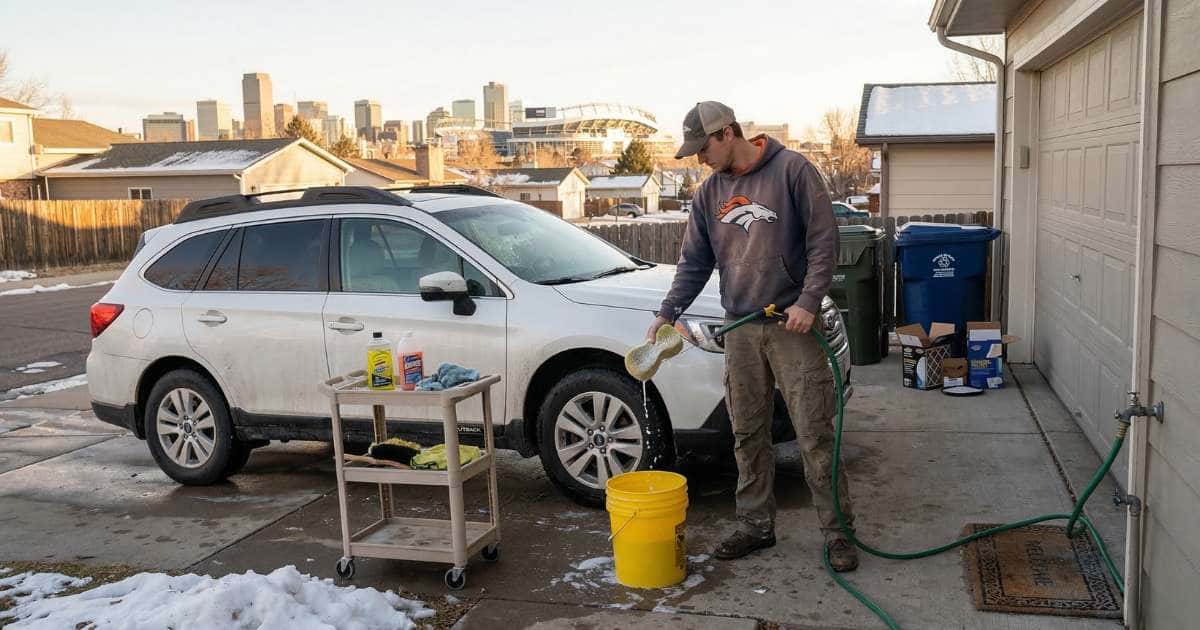
March hits differently when you’re driving in Denver. After months of road salt, wild temperature swings, and those brutal mountain commutes, your car has been through the wringer. At CarHop of Denver, we watch Colorado winters beat up every type of vehicle that rolls through our doors.
Spring maintenance is not just about keeping things running. It is about staying safe on I-70, protecting your budget, and catching problems early before they turn into bigger repairs. Whether you are maintaining your current ride or starting to wonder if it makes more sense to move on, this is the time to pay attention. If repair costs are starting to add up, you can also browse our used vehicle inventory in Denver to compare dependable alternatives.
Why Denver Drivers Need Spring Maintenance After Colorado Winters
Denver winters do not mess around. Magnesium chloride deicers coat roads for months, and that residue can slowly eat away at undercarriages, brake lines, and suspension components. Add in altitude, freezing mornings, and sharp temperature swings, and your vehicle ends up dealing with more stress than cars in milder climates.
Your battery has to crank through bitter cold starts. Your tires go through repeated pressure changes. Your brake system handles mountain descents and slick roads all winter long. Spring maintenance helps address that accumulated wear before it leaves you stranded or facing a more expensive repair later.
Your Spring Tire Inspection Checklist
Tires are your only connection to the road, which makes them one of the most important safety items to inspect in Denver’s unpredictable spring weather. March can bring rain, surprise snow, potholes, and temperature swings that affect how your vehicle handles from one day to the next.
Check and Adjust Tire Pressure for Warming Temperatures
As temperatures rise, tire pressure changes with them. Even a moderate temperature shift can bump PSI up or down enough to affect traction, comfort, and fuel economy. Check tire pressure when the tires are cold and use the manufacturer’s recommended PSI listed on the driver’s door jamb, not the maximum number printed on the sidewall.
Under-inflated tires can reduce handling precision and wear faster, while over-inflated tires can make ride quality harsher and increase uneven wear. During spring in Denver, weekly checks are a smart habit, especially before highway driving or heading toward the mountains.
Examine Tread Depth and Plan for Seasonal Changeover
Good tread depth matters on wet roads and in those late-season spring snow events Colorado drivers know all too well. Use the penny test across multiple parts of each tire to check remaining tread. If tread is wearing down unevenly, that may point to alignment or suspension issues that deserve attention.
If you ran winter tires, late March is often a reasonable time to think about switching back to all-season tires once temperatures stay more consistently above freezing. If your tires are nearing replacement and you are weighing repair costs against the value of your current car, it may also be a good time to look at your next vehicle options.
Essential Fluid Checks for Denver’s Temperature Swings
Colorado’s cold weather and repeated seasonal swings put extra strain on your vehicle’s fluids. Spring is the right time to inspect them carefully before warmer weather and longer drives add another layer of stress.
Oil, Coolant, and Brake Fluid Priorities
Start with engine oil. Cold weather and short winter trips can break oil down faster than many drivers realize. Pull the dipstick, check the level, and pay attention to the oil’s condition. If it looks very dark, gritty, or overdue based on your service interval, it is time for a change.
Check coolant in the overflow reservoir only when the engine is completely cool. The fluid should look clean and bright, not rusty or cloudy. Brake fluid is just as important. If it looks dark, the level is low, or the brake pedal feels different than normal, do not ignore it. Mountain driving and winter braking put real stress on the system.
Windshield Washer Fluid and Wiper Lines
Top off the washer reservoir with a fluid that can still handle Colorado cold snaps. Then test the washers to make sure they spray correctly. Winter freeze-thaw cycles can crack wiper lines or clog nozzles, and you do not want to discover that problem when the windshield suddenly gets hit with grime on the highway.
Why Winter Takes a Toll on Your Car Battery
Cold weather is rough on batteries, and by March many are already weaker than they look. A battery may still start the car today and still be close to failure tomorrow.
Inspecting for Corrosion and Loose Connections
Start with a visual inspection of the battery terminals. White or blue-green buildup often means corrosion is forming around the connections. Clean terminals carefully if needed, make sure the cables fit tightly, and look for any signs that the battery is struggling to maintain a strong connection.
Testing Battery Voltage and Knowing When to Replace
A resting battery should generally test in a healthy range when fully charged. If your battery is older, has felt sluggish during cold starts, or seems weaker than normal, spring is a smart time to get it tested. Many parts stores can do that quickly. Replacing a marginal battery now is usually cheaper than getting stranded later.
Keeping Your Brakes Ready for Mountain Roads
Brake health is not optional for Denver-area drivers, especially if your routine includes mountain grades, canyon roads, or long stretches of stop-and-go traffic. Winter driving and downhill braking can wear components faster than normal.
Recognizing Brake Warning Signs
Squealing, grinding, vibrations, pulling to one side, or a soft brake pedal all deserve prompt attention. Those symptoms can point to worn pads, damaged rotors, moisture-contaminated fluid, or leaks that should be addressed before the issue becomes dangerous.
How to Check Your Brake Pad Thickness
If visible through the wheels, brake pads should still have usable material remaining. If they are getting thin, replacing them sooner rather than later helps protect both stopping performance and the rotors themselves. If you have any doubts, a professional brake inspection is the smarter move, especially before more spring and summer driving.
Restoring Clear Visibility After Winter
Winter grime, salt residue, and constant wiper use can leave visibility worse than many drivers realize. Spring sunlight and rain make those weaknesses much easier to notice.
Checking Your Windshield for Chips and Buildup
Inspect the windshield carefully for chips and cracks. Small damage can spread quickly with temperature changes and road vibration, especially on busy Denver roads. Clean the glass inside and out to remove the film that winter leaves behind.
Inspecting and Replacing Worn Wiper Blades
If your wipers streak, chatter, skip, or leave sections uncleared, replace them. Winter can be especially hard on the rubber, and spring rain in Denver is not the time to gamble with reduced visibility. Quality blades are an inexpensive fix that can make a big safety difference.
Wash Away Winter: Salt Removal and Exterior Protection
Road salt and magnesium chloride help make winter driving possible, but they can be brutal on a vehicle when left in place too long. A proper spring wash should include the undercarriage, wheel wells, and the hidden areas where residue tends to build up.
Do not overlook door jambs, trunk edges, hood seams, and other tight spaces where salt and grime can hide. After cleaning, inspect the paint for chips and scratches and touch them up if needed. A good wax or paint sealant can also help protect the finish through spring rain and Denver’s stronger summer sun.
When to Seek Professional Auto Service in Denver
Some spring maintenance tasks are easy to handle at home. Others are better left to professionals with the right tools and experience. Tire pressure checks, basic fluid top-offs, battery terminal cleaning, and visual inspections are all reasonable DIY tasks for many drivers.
Brake inspections, alignments, diagnostics, and anything involving warning lights, unusual noises, fluid leaks, or noticeable performance changes deserve professional attention. If you are not sure whether your car is still worth the growing repair list, visit CarHop of Denver to explore financing options and dependable used vehicles that may better fit your situation.
Your Denver Spring Maintenance Partner
Spring car maintenance in Denver protects your investment and helps keep you safer through another Colorado season. Taking care of tires, fluids, brakes, the battery, visibility items, and winter residue now can help prevent bigger problems when daily driving and mountain trips start picking up again.
Whether you are trying to extend the life of your current vehicle or comparing the cost of repairs against moving into something more dependable, CarHop of Denver is here to help you weigh the practical next step for your budget and your daily needs.
FAQs
Why is spring car maintenance especially important in Denver?
Denver vehicles deal with magnesium chloride, road salt, high altitude, cold starts, mountain driving, and large temperature swings. Spring maintenance helps catch the wear and corrosion winter leaves behind before it turns into bigger repairs or safety issues.
How often should I check tire pressure during Denver’s spring weather?
Because spring temperatures in Denver can swing quickly, checking tire pressure about once a week is a smart habit. It is especially important before highway driving or trips into the mountains, where handling and traction matter even more.
What vehicle fluids should Denver drivers focus on in spring?
Oil, coolant, brake fluid, and windshield washer fluid are key priorities. Winter conditions can break fluids down faster, and spring is a good time to make sure they are at the right level and still in healthy condition.
How do I know if winter damaged my battery or brakes?
Weak starts, visible corrosion, dim electrical performance, squealing, grinding, vibration, or a soft brake pedal are all warning signs. If you notice any of those symptoms, it is worth getting the battery or brake system checked before the problem gets worse.
Where can I find dependable used vehicles in Denver if spring repairs are getting too expensive?
CarHop of Denver offers used vehicles and flexible financing options for buyers in a variety of credit situations. If your current repair list is getting hard to justify, exploring dependable used inventory can be a practical next step.
0 comment(s) so far on Spring Cleaning Your Ride: Essential Car Maintenance for Denver Drivers in March 2026