


How to Inspect Used Cars for Sale in Aurora Before You Buy
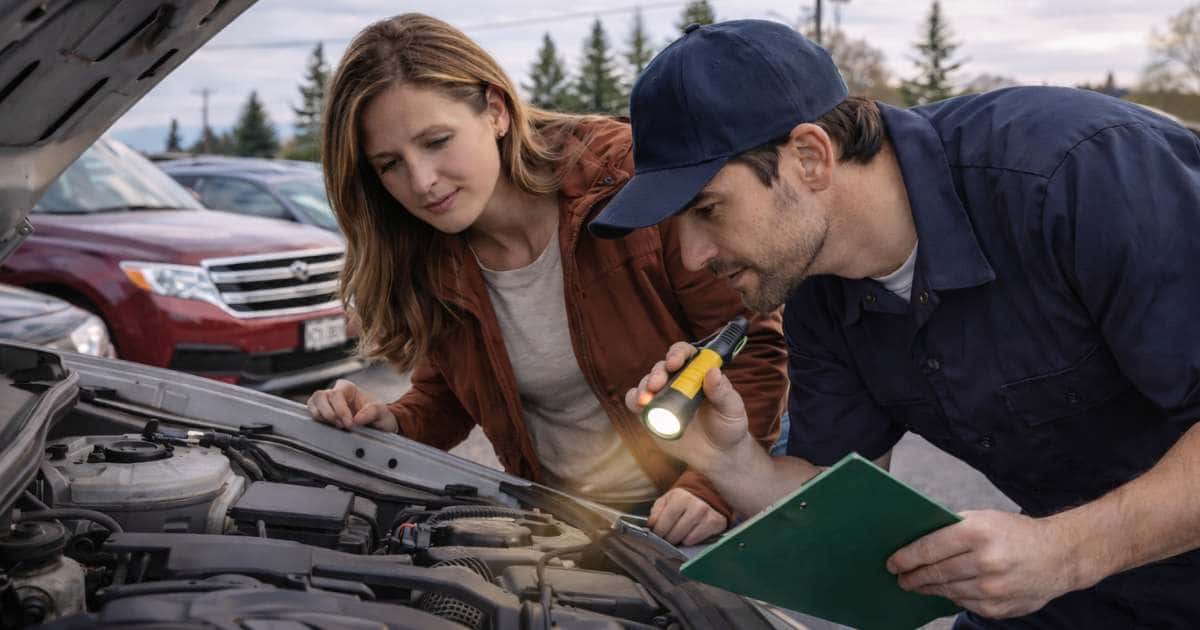
Your daily drive from Aurora to the Denver Tech Center or downtown puts unique demands on a car. Before you buy a used vehicle, it’s crucial to inspect used cars Aurora CO style, meaning you’re looking for the realities of Colorado driving, from stop-and-go traffic on I-225 to the potential for sudden summer hailstorms that roll across the Front Range in the afternoon. And if you’re the kind of person who heads up I-70 toward the mountains on weekends, that same car also needs to handle steep grades, chain-law weather, and quick temperature swings as you climb toward the Continental Divide.
Below is the exact checklist we’d use if you asked us how to inspect used cars Aurora CO buyers are considering, before you commit to anything.
Before You See the Car: Your Digital Inspection
Decoding the Vehicle History Report
Before you ever meet a seller or step onto a lot, start with a vehicle history report (CarFax or AutoCheck). It’s not about being paranoid, it’s about saving yourself from surprises that are expensive in Colorado. You want to scan for:
- Accident history (and whether airbags deployed)
- Title issues like salvage, rebuilt, or flood branding
- Maintenance records that show consistent oil changes and major services
- Where the vehicle lived, a dry-climate Colorado car often looks different underneath than a coastal-state vehicle that’s seen salty air and heavy corrosion
One local tip: if the report shows an accident on major commuter routes like I-225, I-70, or E-470, don’t automatically walk away, but do treat it like a “zoom in” moment. Those corridors see higher-speed impacts and chain-reaction fender benders, and repairs can be done well… or rushed. Your job is to figure out which one you’re looking at.
At CarHop, we provide a vehicle history report upfront on our inventory, so you can make an informed decision before you even step out of your car. If you want to start browsing with that transparency built in, check out our used vehicle inventory with upfront details.
Looking for Red Flags Online
Next, slow down and really look at the listing photos. A quick scroll won’t cut it. Here’s what we look for when we help customers inspect used cars Aurora CO shoppers find online:
- Inconsistent paint color between panels (a door that’s slightly “off” can hint at body work)
- Odd reflections along the side of the car (waves can suggest filler or a respray)
- Clues in the background, is it parked on grass, in a muddy lot, near the ocean, or in a snowy area? Storage conditions matter
- Close-ups of wheels/tires, if there aren’t any, ask yourself why
If the seller won’t answer basic questions digitally, that’s usually your sign to keep shopping.
The Exterior Walk-Around: More Than Just Kicking Tires
Checking for Body and Frame Damage
Aurora drivers know hail is part of life here. We get those summer storms that pop up fast, sunny at lunch, then a sudden downpour and hail by late afternoon. When you’re inspecting the exterior, don’t just glance at the doors. Walk around the car slowly and look at the roof, hood, and trunk at an angle in good light. Small hail dents can hide until you catch the reflection just right.
Then get low and check underneath. Colorado road crews use magnesium chloride during winter storms, and it can be corrosive over time, especially if the vehicle wasn’t washed regularly. Pay attention to:
- Frame rails and pinch welds
- Exhaust components (rusty seams and hangers)
- Suspension parts like control arms and mounting points
Surface rust is common; heavy flaking, soft spots, or fresh undercoating that looks like it’s hiding something is where you pause and ask more questions.
Tires, Glass, and Lights
Tires tell the truth. Uneven wear can point to alignment issues, worn suspension, or a vehicle that’s been driven hard over potholes and rough patches. In our area, you want tread that can handle wet roads and snow, because when traction drops on I-225 or on the ramps near E-470, you feel it fast.
If you’re shopping for something winter-ready, it’s also worth reading our guide on AWD vehicles that make sense for Denver-area winters, especially if you regularly head toward the I-70 mountain corridor.
Finally, test every light: headlights (low/high), brake lights, turn signals, reverse lights, and hazards. A bulb is cheap. But if a light doesn’t work because of wiring, moisture in a housing, or a bigger electrical issue, that can turn into a headache.
Under the Hood: Key Checks for High-Altitude Performance
Fluids, Belts, and Hoses
Colorado’s altitude and temperature swings are real stress tests. Up here, engines work differently than they do at sea level, and rubber and plastics can age faster when you bounce between cold mornings and warmer afternoons.
Start with fluids. You’re looking for clean, correctly-filled fluids and no obvious contamination:
- Oil: not gritty, not sludgy, not way over/under the mark
- Coolant: should not look milky or oily
- Brake fluid: should be clear to light amber, not dark brown
- Transmission fluid (if accessible): not burnt-smelling
Then check belts and hoses. Squeeze radiator hoses (when the engine is cool) and look for cracks, fraying, or soft spots. If a seller tells you “it’s fine” but the belt looks like it’s been through three winters and a hundred heat cycles, trust your eyes.
If you’d rather have professionals handle the deeper mechanical review, our team can help through the CarHop service and inspection process, especially helpful if you’re comparing a few vehicles and want a consistent standard.
The Importance of the Cooling System
If you’ve ever driven west on I-70 past Golden toward the long climbs and steep mountain grades, you already know why cooling systems matter here. Even if you’re not towing anything, sustained climbs and higher elevation can push a marginal cooling system over the edge.
Look for:
- Coolant leaks around the radiator, water pump, and hose connections
- Crusty residue near the radiator cap area (dried coolant)
- Overheating signs like stained plastic reservoirs or a strong sweet smell
And remember: Colorado traction law requirements can force you into slower, higher-load driving in bad weather (or even require chains/approved traction devices on certain mountain stretches). That kind of stop-and-go climbing is tough on cooling systems, so you want this part solid.
The Test Drive: Simulating Your Aurora Commute
Listening for Trouble
Don’t do the “around the block” test drive. Drive it like you’ll actually use it. If your real life includes I-225, get the vehicle to highway speed and pay attention to vibrations, steering wheel shake, and wind noise. Turn the radio off and listen.
On local streets, go over a few bumps at normal speed and listen for clunks or rattles. A quiet cabin doesn’t automatically mean a perfect car, but repeated knocking over bumps can point to worn sway bar links, struts, or other suspension components.
Feeling for Performance
Find a hill in the area and give it a little load. You’re not trying to race, just asking the transmission to do its job. Does it shift smoothly, or does it hesitate, flare, or slam into gear? That’s the kind of “small” symptom that can become a big repair later.
Test the brakes somewhere safe and straight. The pedal should feel firm, the car should stop smoothly, and it shouldn’t pull left or right. If you’re planning weekend drives into the foothills or up toward ski resort access roads, solid brakes aren’t optional.
If you want to compare options that are already curated for local drivers, start with our Aurora used vehicle selection, it’s a practical way to narrow down models that fit your commute and your budget.
Why a Dealership’s Process Gives You Peace of Mind
Your personal checklist matters (a lot). But the truth is, most buyers don’t have a lift, a scan tool, or the time to catch every issue, especially the ones that show up only after a few heat cycles or a longer drive.
That’s where a reputable dealership process helps. At CarHop of Denver, every vehicle goes through a multi-point inspection before it’s offered for sale. It’s designed to catch the stuff that’s easy to miss on a quick walk-around, like early cooling system leaks, worn components, or maintenance needs that aren’t obvious in photos.
We also include a limited warranty with every purchase. That’s a real safety net compared to many private-party “as-is” sales.
And if financing is part of your plan, we’re a buy here pay here option that focuses on helping you get into a reliable vehicle you can actually keep. If you’ve been searching “buy here pay here dealerships” or “buy here pay here near me,” our approach is straightforward: we want the car to fit your life and your budget so you can stay on the road. You can learn more about how that works in our guide to buy here pay here financing in Denver.
FAQs
What’s the biggest mistake people make when buying a used car in Aurora?
The biggest mistake is underestimating local environmental factors. In Aurora, buyers often forget to specifically check for hail damage (especially on the roof and hood) and underbody rust from winter de-icing agents used around the Denver metro. Those issues might not stop the car from driving today, but they can hurt resale value and lead to expensive repairs later, so build them into your inspection from the start.
Is a pre-purchase inspection (PPI) by a third-party mechanic still necessary?
A PPI is always a great idea for maximum peace of mind, especially if you’re buying from a private seller where everything is typically “as-is.” When you buy from a trusted dealership like CarHop, you also benefit from our multi-point inspection process and an included limited warranty, which helps cover many of the same high-cost concerns a PPI is meant to uncover.
How does CarHop’s included warranty protect me?
Our limited warranty is designed to protect you from major, unexpected powertrain issues shortly after purchase, exact coverage can vary, so we’ll walk you through the details clearly. The big benefit is that you’re not left holding the bag if a critical component fails soon after you drive off. It’s one of the best ways to reduce the risk that comes with buying used.
Can I find a reliable used car under $15,000 that can handle Colorado winters?
Yes, absolutely. The key is matching the vehicle to Colorado conditions (tires, brakes, battery health, and overall maintenance) and doing a thorough evaluation. Many sedans, compact SUVs, and crossovers under $15,000 can be great in winter with the right tires, and some are available well under that price point. We specialize in affordable options and help you compare what fits your commute and weekend plans.
What does ‘as-is’ really mean when buying a car?
“As-is” means the seller isn’t providing a warranty, once you buy the vehicle, any problems that pop up are your financial responsibility. That’s why your inspection matters so much, and why an included limited warranty from a dealership can be such a big value. It adds a layer of protection that you typically won’t get in a private sale.
Final Checklist: Buy With Confidence
If you remember nothing else, remember this: in our area, always check for underbody rust and hail damage, and don’t skip a real test drive on the roads you actually use. When you inspect used cars Aurora CO drivers rely on, you’re not just buying a car, you’re buying something that has to handle I-225 traffic, sudden afternoon thunderstorms, and (if you’re like a lot of us) weekend runs up I-70 toward the mountains.
If you want a simpler way to shop, we can help you compare inspected vehicles, review history reports, and talk through financing options without the pressure. Start by browsing our current used inventory, then reach out through the CarHop of Denver website when you’re ready to take the next step.
0 comment(s) so far on How to Inspect Used Cars for Sale in Aurora Before You Buy